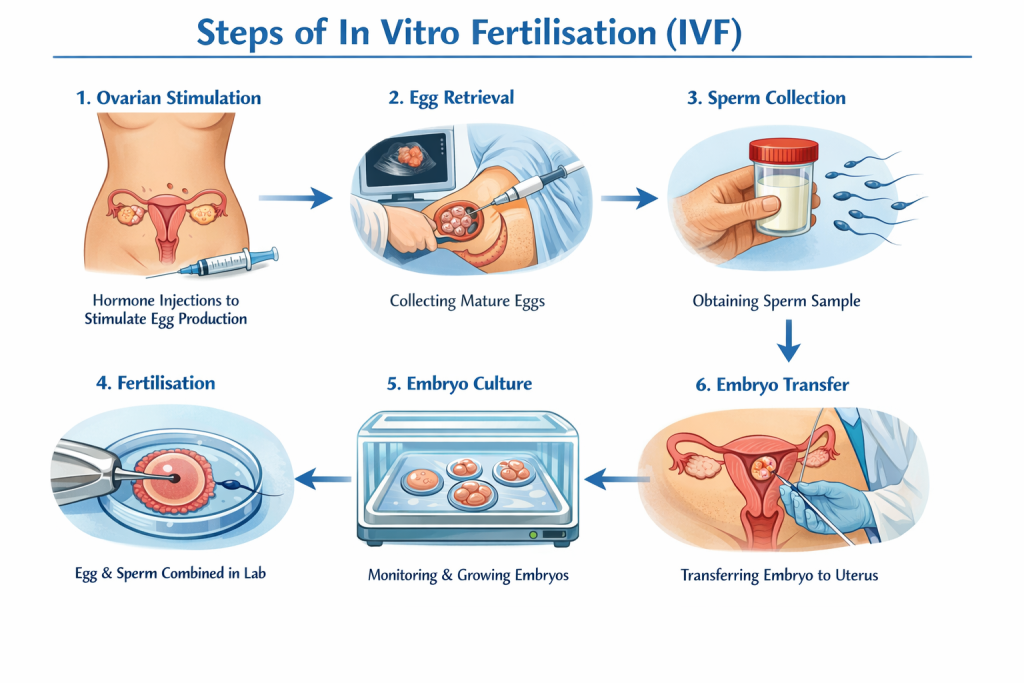
Understanding In Vitro Fertilisation (IVF): A Comprehensive Guide
In vitro fertilisation (IVF) has emerged as one of the most widely-used assisted reproductive technologies (ART) for couples facing fertility challenges.

Femelife IVF
Femelife IVF
Femelife IVF
Femelife IVF
In vitro fertilisation (IVF) has emerged as one of the most widely-used assisted reproductive technologies (ART) for couples facing fertility challenges.
Explore the ways to make your first IVF successful and the variables that impact your chances of success.
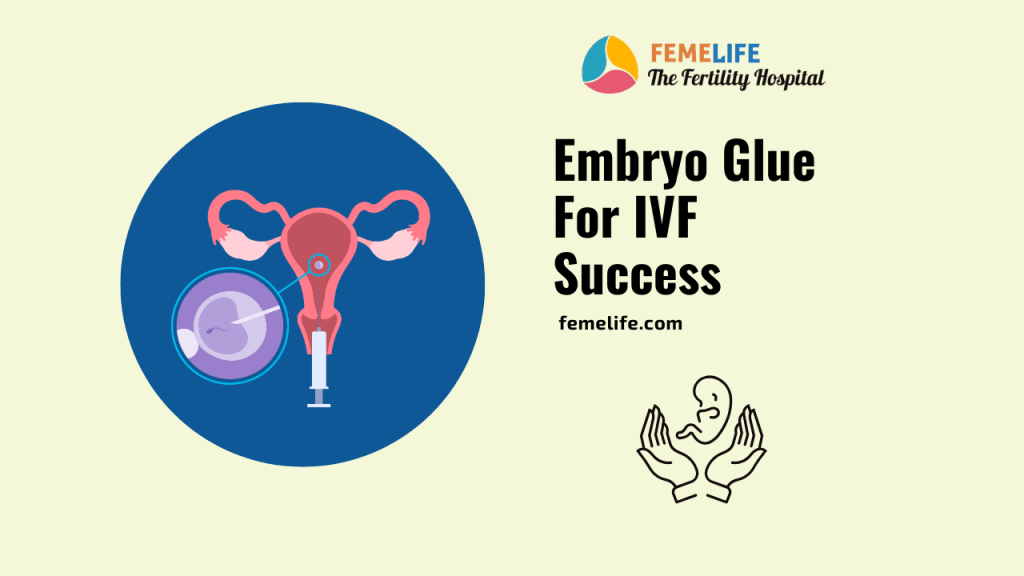
For women who have experienced multiple failures, embryo glue may provide a beneficial adjunct to increase IVF success.
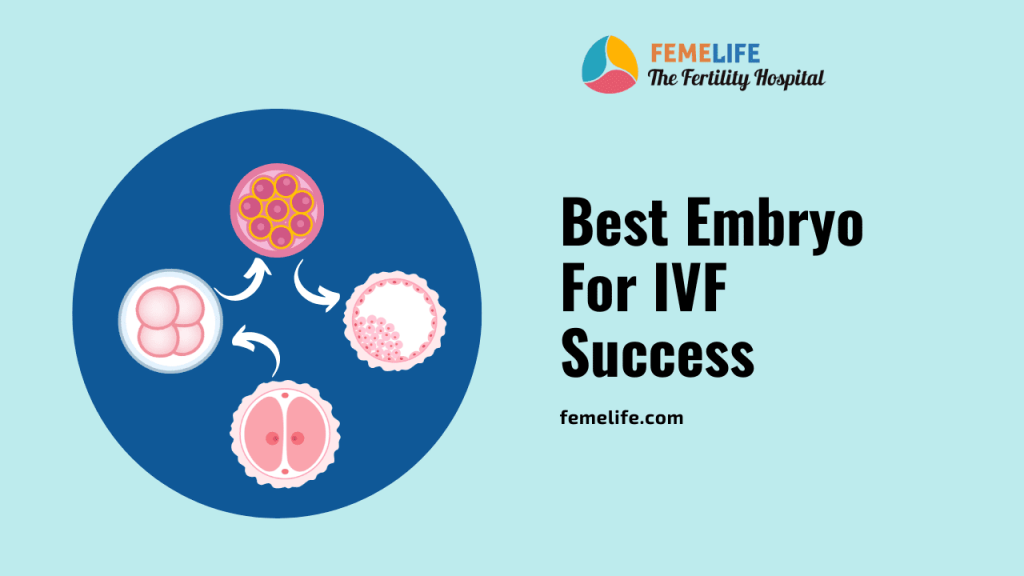
Learn how to choose the best embryo for IVF success. Discover key factors such as grading, chromosomal health, and advanced screening.
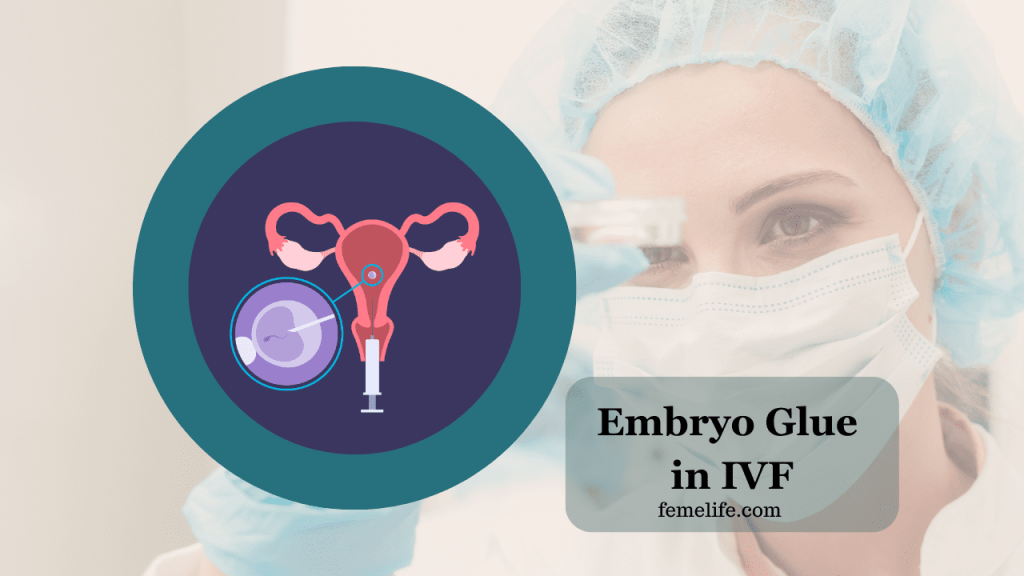
The effectiveness of embryo glue depends on other factors also, such as embryo quality and endometrium thickness.
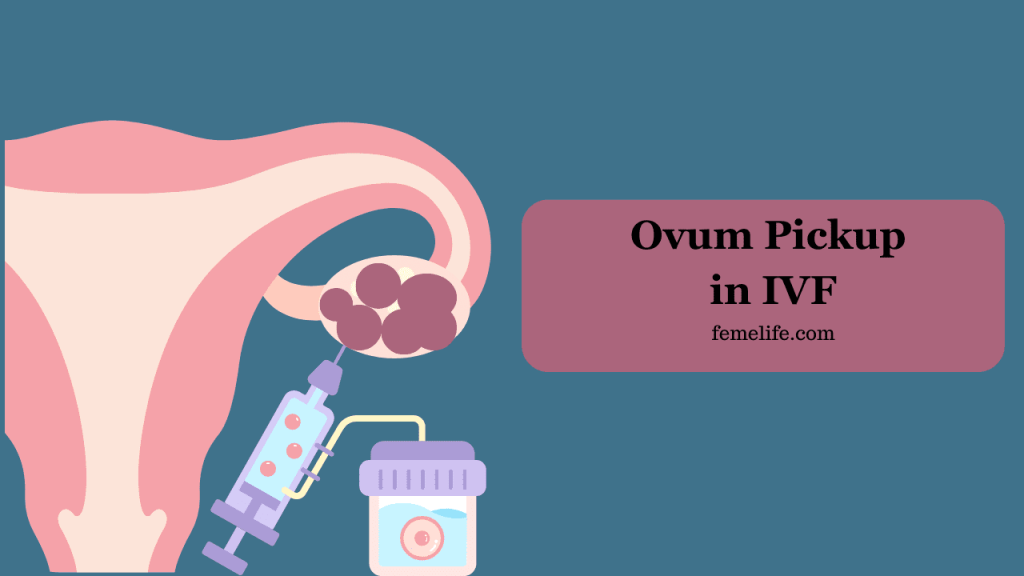
During the ovum pickup procedure the IVF specialist aspirates the follicular fluid, which contains the eggs.
In addition to general health hazards, cell phone radiation influences reproductive functions and fertility negatively.
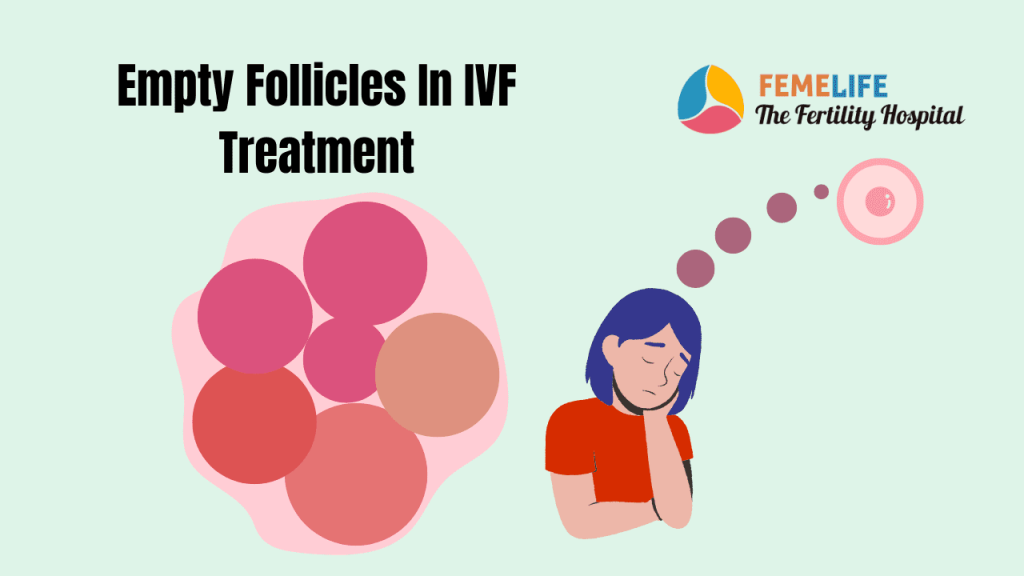
An abnormal hormonal environment, or an underlying genetic condition can give rise to empty follicles in ovary during IVF treatment cycle.
In patients with repeated fertilization failure following ICSI technique, switching to donor sperm can be considered.
Genetic karyotyping results identify the problem, might help you for decision-making and guide further course of treatment.