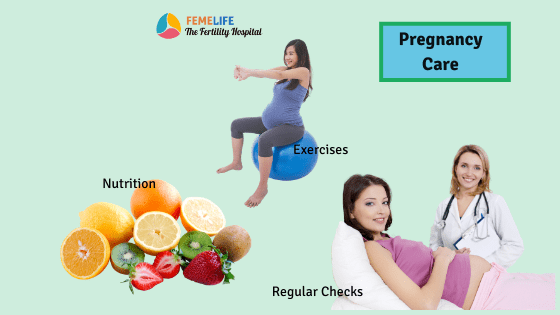
Pregnancy Care Center: Femelife Fertility
Food safety may be a prerequisite for food security in pregnancy care and a healthy diet.

Femelife IVF
Femelife IVF
Femelife IVF
Femelife IVF
First Month Pregnancy Care: Essential Tips for a Healthy Start
Pregnancy is an exciting and transformative time, but it can also be overwhelming, especially for first-time mothers. The first month of pregnancy is crucial as your body begins adjusting to the changes that will support the growth of your baby. Taking proper care of your health and well-being during this time sets the foundation for a healthy pregnancy.
In this guide, we’ll explore essential tips for first-month pregnancy care that will help you navigate this early stage with confidence.
1. Confirming Your Pregnancy
The first step in pregnancy care is confirming that you are pregnant. Although a missed period can be the first sign, the most reliable way to confirm pregnancy is through a home pregnancy test or a blood test at your healthcare provider’s office. If your home test shows a positive result, schedule an appointment with your doctor or midwife to begin prenatal care.
2. Start Taking Prenatal Vitamins
Once you confirm your pregnancy, it’s crucial to start taking prenatal vitamins. Prenatal vitamins contain essential nutrients like folic acid, iron, calcium, and DHA that support both your health and the development of your baby. Folic acid, in particular, helps prevent neural tube defects, which affect the baby’s brain and spine.
It’s best to start taking these vitamins as soon as you suspect you’re pregnant, and continue throughout the pregnancy. Consult your healthcare provider to choose the right supplement for you.
3. Eat a Balanced Diet
During the first month of pregnancy, your body is already undergoing significant changes, so proper nutrition is vital. While you won’t need to eat for two just yet, you should aim for a well-balanced diet that supports your pregnancy. Focus on:
Fruits and vegetables: Rich in vitamins, minerals, and fiber.
Whole grains: Brown rice, oats, and quinoa provide energy and fiber.
Lean proteins: Chicken, fish, beans, and tofu will help build your baby’s tissues and organs.
Dairy or dairy alternatives: These provide calcium and vitamin D to support bone health.
Be sure to avoid certain foods like raw fish, unpasteurized cheeses, and deli meats that could carry harmful bacteria, and limit your caffeine intake.
4. Stay Hydrated
Staying hydrated is essential during pregnancy, especially in the first trimester when your body’s blood volume increases. Drink plenty of water throughout the day to maintain fluid balance and support your body’s increased demands. Aim for at least 8-10 glasses of water daily, or more if you’re feeling dehydrated or experiencing morning sickness.
5. Rest and Manage Stress
The first month of pregnancy can be emotionally and physically taxing. You might experience fatigue, mood swings, and physical changes like bloating or nausea. It’s important to listen to your body and get plenty of rest. Prioritize sleep, and consider taking short naps throughout the day if you’re feeling exhausted.
Stress can also take a toll on your health and well-being. Find ways to manage stress, such as practicing relaxation techniques, deep breathing, or meditation. Taking time for yourself will help you feel more balanced and prepared for the journey ahead.
6. Avoid Harmful Substances
During pregnancy, your body becomes more sensitive to certain substances that may affect the health of your baby. To protect your developing baby, avoid:
Smoking: Smoking can cause serious complications like low birth weight and preterm birth.
Alcohol: Even small amounts of alcohol can increase the risk of fetal alcohol syndrome and developmental delays.
Drugs: Both prescription and over-the-counter medications should be taken with caution during pregnancy. Always check with your doctor before taking any medications or supplements.
Caffeine: While it’s generally okay to have a small amount, try to limit your caffeine intake to under 200 mg per day.
7. Exercise Lightly
While you may not feel like exercising in the early weeks, staying active can actually help with fatigue and improve your overall health. Gentle activities like walking, swimming, or prenatal yoga can boost your mood, improve circulation, and keep your muscles and joints strong as your body adapts to pregnancy.
However, avoid intense workouts, particularly if you weren’t active before becoming pregnant. Always consult with your healthcare provider before starting a new exercise routine to ensure it’s safe for you and your baby.
8. Schedule Your First Prenatal Appointment
Your first prenatal appointment is usually scheduled for around 8 weeks into your pregnancy, but it’s important to contact your doctor as soon as you confirm your pregnancy to discuss your care plan. During this appointment, your doctor will:
Review your health history.
Conduct an ultrasound to confirm the pregnancy and estimate your due date.
Take blood tests to check for certain conditions like anemia and infections.
Provide guidance on lifestyle changes and discuss any concerns or symptoms you may be experiencing.
Regular checkups throughout pregnancy are vital to ensuring both your and your baby’s health.
9. Managing Early Pregnancy Symptoms
In the first month of pregnancy, many women experience common early pregnancy symptoms such as:
Morning sickness: Nausea and vomiting are common in early pregnancy. Eating small, frequent meals and avoiding strong smells can help alleviate symptoms.
Fatigue: Your body is working overtime, so it’s normal to feel more tired than usual. Don’t hesitate to rest when you need to.
Frequent urination: The hormonal changes in your body can lead to more frequent trips to the bathroom.
Remember, these symptoms are usually temporary and will subside as your pregnancy progresses.
10. Be Mindful of Your Emotional Health
Pregnancy can bring about a range of emotions, from excitement to anxiety. It’s important to talk about your feelings with your partner, friends, or a healthcare provider. If you’re feeling overwhelmed, anxious, or depressed, don’t hesitate to seek professional help. Mental health is just as important as physical health during pregnancy.
Conclusion
The first month of pregnancy is an exciting time, but it’s also filled with changes that require careful attention. By following these tips for early pregnancy care, you can ensure a healthy start to your pregnancy journey. Prioritize your health, eat nutritious foods, and listen to your body as you navigate this exciting new chapter of your life.
If you have any concerns or questions during the first month of pregnancy, always consult with your healthcare provider. They will guide you through every step of the process and ensure that you and your baby are well taken care of.
Call 7381060511 for more information
Food safety may be a prerequisite for food security in pregnancy care and a healthy diet.