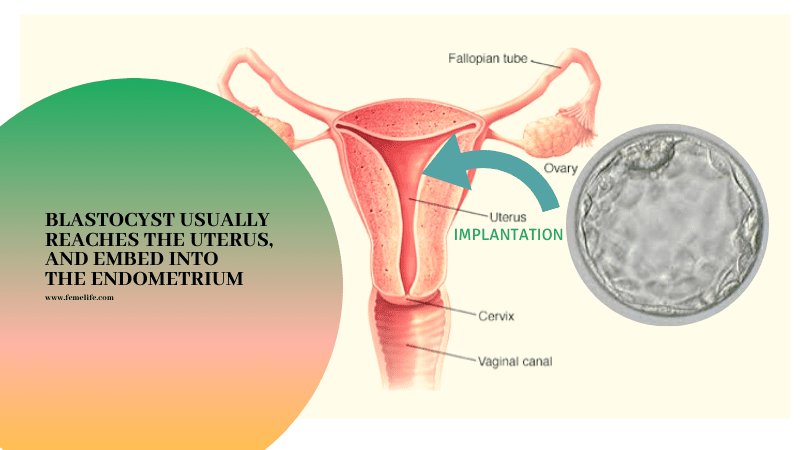
Blastocyst Culture IVF
Blastocyst culture allows the embryologist to identify which of a group of embryos have the best potential for implantation.

Femelife IVF
Femelife IVF
Femelife IVF
Femelife IVF
3AB Blastocyst Transfer: A Key Step in IVF Success
In vitro fertilization (IVF) has revolutionized fertility treatments, providing hope for couples struggling with infertility. Among the various stages of IVF, blastocyst transfer has become a significant part of the process, offering improved chances of pregnancy. The term “3AB blastocyst” often comes up during discussions of IVF success rates. But what exactly is a 3AB blastocyst, and why is it important in embryo transfer?
In this article, we will explore what a 3AB blastocyst is, why it matters in IVF, and how it can influence the outcome of fertility treatments.
Understanding Blastocyst Development in IVF
Before diving into the specifics of 3AB blastocyst transfer, it’s essential to understand what a blastocyst is in the context of IVF. In a typical IVF cycle, the goal is to fertilize an egg with sperm and cultivate the resulting embryo in the lab. The embryo undergoes several stages of development over a period of days, from a single-cell zygote to a multi-cellular structure, and eventually to a blastocyst.
A blastocyst is a more advanced stage of embryo development, usually occurring around day 5 or 6 after fertilization. At this point, the embryo has developed two distinct cell groups: the inner cell mass (ICM), which will eventually form the fetus, and the trophectoderm, which will become the placenta.
Blastocyst transfer, compared to earlier-stage embryo transfers (such as the 2-3 day cleavage stage), tends to result in better implantation rates and higher pregnancy success. This is because blastocysts have undergone further development and have a higher chance of successful implantation in the uterus.
What Does 3AB Mean in Blastocyst Grading?
Blastocysts are graded based on their appearance, which reflects their quality and developmental stage. The grading system, often referred to as the “Gardner” grading system, evaluates both the inner cell mass (ICM) and the trophectoderm. The rating typically consists of two parts: one for the ICM and one for the trophectoderm, followed by a number that reflects the stage of development.
A, B, C (ICM and Trophectoderm): These letters represent the quality of each component, with “A” being the best quality and “C” the least ideal.
Numbers (1, 2, 3): These numbers indicate the degree of expansion of the blastocyst. A “3” indicates a fully expanded blastocyst.
In the case of a 3AB blastocyst, this grading means:
The blastocyst is fully expanded (grade 3).
The inner cell mass is rated as A, indicating a high-quality mass of cells that has a high potential for forming a healthy fetus.
The trophectoderm is graded B, meaning it is of good quality but not as optimal as the inner cell mass.
Thus, a 3AB blastocyst is a high-quality embryo with a well-developed inner cell mass and a reasonably good quality trophectoderm. This type of embryo has a higher likelihood of successful implantation and pregnancy compared to embryos with lower grades.
Why Is 3AB Blastocyst Transfer Important in IVF?
Higher Implantation Rates: Blastocyst transfers, especially those involving high-quality embryos like the 3AB blastocyst, have higher implantation rates compared to earlier-stage embryos. This is because the embryo is more developed, making it better equipped to implant in the uterus.
Better Pregnancy Outcomes: Studies show that embryos that reach the blastocyst stage typically have a better chance of leading to a successful pregnancy. A 3AB blastocyst, being of good quality, further improves this chance.
Increased Chances of Healthy Births: Transferring embryos with high-quality blastocysts like the 3AB variety can reduce the risk of miscarriage. These embryos are more likely to implant correctly, leading to healthier pregnancies and potentially lower rates of chromosomal abnormalities.
Single Embryo Transfer (SET): One of the key advantages of using blastocysts is the ability to perform a single embryo transfer (SET). Because of the higher success rates with blastocysts, fertility specialists often recommend SET, which reduces the risk of multiple pregnancies, a common concern with transferring multiple embryos. A 3AB blastocyst is an ideal candidate for SET.
Optimizing IVF Cycles: By transferring embryos that are more likely to succeed, fertility clinics can optimize the IVF process, reducing the need for multiple embryo transfers. This can be both cost-effective and emotionally less taxing for couples undergoing IVF treatments.
When Is a 3AB Blastocyst Transfer Performed?
Typically, blastocyst transfer occurs on day 5 or 6 of the IVF cycle. Before that, embryos are cultured in the laboratory, and their development is carefully monitored. If a high-quality 3AB blastocyst is available, it is the most optimal candidate for transfer. In cases where no suitable blastocyst is available, the doctor may opt for a 2-3 day embryo transfer.
Conclusion: The Benefits of 3AB Blastocyst Transfer in IVF
3AB blastocyst transfer represents a significant advancement in the field of fertility treatment. By selecting a high-quality embryo with a well-developed inner cell mass and good-quality trophectoderm, fertility specialists can increase the chances of implantation, successful pregnancy, and live birth. The ability to transfer a single, high-quality blastocyst also minimizes risks associated with multiple pregnancies, making it a safer choice for patients.
If you are undergoing IVF treatment, it’s important to discuss your embryo grading with your fertility specialist. Understanding the implications of a 3AB blastocyst transfer can help you make informed decisions on your fertility journey, increasing your chances of achieving a successful pregnancy.
Call 7381060511 for more information
Blastocyst culture allows the embryologist to identify which of a group of embryos have the best potential for implantation.